設定
設定
 迅速な配送
迅速な配送
 送料は無料
送料は無料
 Incoterms
 お支払い方法


 マーケットプレイス製品


Will You Be Using Matter to Make IoT Devices in 2023?
You’ll be hearing a lot about Matter in 2023; will you also be using it? The 1.0 specification was announced by the Connectivity Standards Alliance in October 2022 as an interoperable application layer software suite designed to simplify the development of secure Internet of Things (IoT) and smart home devices. It operates over Ethernet, Wi-Fi, and Thread and uses Bluetooth Low Energy (BLE) for device commissioning. Matter uses bridging to integrate seamlessly with existing IoT networks like Amazon Alexa, Apple HomeKit, Google Home, Samsung SmartThings, and other platforms like Z-Wave and Wi-SUN.
Let’s review the basic structure of the Matter software stack, look at how Matter networks function, and how Matter integrates existing IoT networks. We’ll close by presenting Matter compatible devices from NXP and Silicon Laboratories, along with development platforms that support the rapid development of Matter-based IoT devices.
What is Matter?
Matter is an exciting opportunity for smart home developers, and if you use it, you’ll be in good company. It’s an open-source protocol managed by the CSA that is designed to act as a control layer to connect and manage smart home devices. It supports existing platforms and sharing of control between the platforms with multiple administration functions. It sits below the application layer and provides a common interface to the TCP and UDP layers in the IPv6 communications stack (Figure 1). It’s licensed under Apache 2.0, has global membership, and is supported by some of the biggest companies in the smart home arena.
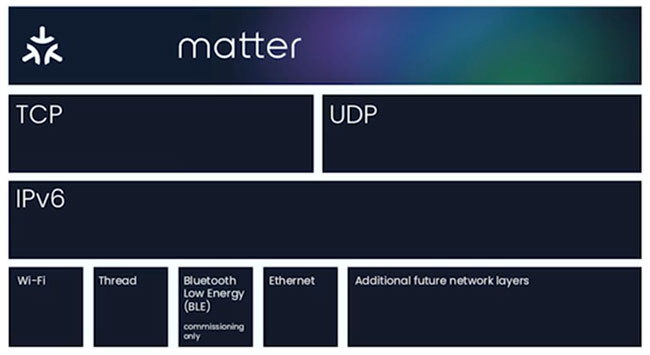 Figure 1: Matter sits below the application layer (not shown) and interfaces with the TCP and UDP functions in the IPv6 layer. (Image source: NXP Semiconductors)
So, how does Matter work?
The top layer of the Matter stack is the Data Model that defines the action and data elements available with the Application. Once a data or action element has been received by the Data Model layer, it’s structured and passed to the Interaction Model layer that defines the corresponding interactions, such as reading or writing information. Next, Action Framing packages the defined interactions, making them suitable for encoding and network transmission. Security is a very important element of Matter. The Action Framing layer passes the packaged interactions to the Security layer for encryption and the addition of an authentication code to enable the receiving device to authenticate the transmission.
In the final step, Matter’s Message layer creates an encrypted communications payload that is suitable for passing to the transport layer for transmission. When a message is received, it goes through the reverse process, beginning with decryption and authentication and then moving up the stack to the Application.
What does a Matter network comprise?
A Matter 1.0 network can include six types of devices:
- Thread sleepy End Nodes that include sensors and actuators
- Edge Nodes are Thread based sensors or actuators that connect to End Nodes and can function as Thread mesh extenders and connect to Gateways or Thread border routers
- Thread Border Routers connect the Wi-Fi and Thread networks
- Gateways connect the Matter network to the cloud
- Bridges provide a connection between legacy networks and a Matter network
- Controllers are used to provision Matter devices to the system
Making things with Matter
Now that we’ve reviewed some Matter basics, let’s look at two development kits you can use to kickstart a Matter development program.
First is the IOTZTB-DK006 development kit from NXP that supports the development of battery-powered devices (Figure 2). It’s designed for use with the K32W061 and K32W041 Wireless MCUs, such as the K32W041AMZ and the K32W041AZ. These ultra-low-current wireless devices support Zigbee 3.0, Thread, IEEE 802.15.4, and BLE. The dev kit makes it easy for you to get started working with Matter. It includes:
- Three motherboards
- One NFC reader board
- One generic switch expansion board
- One light/sensor expansion board
- Three K32W061 upgrade boards
- Three JN5189 upgrade boards
- One K32W USB dongle
- Three USB cables
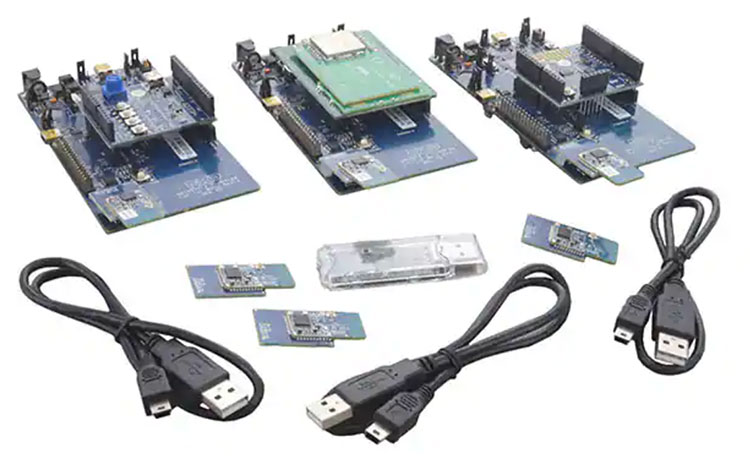 Figure 2: You can use NXP’s IOTZTB-DK006 dev kit to develop battery-powered Matter devices. (Image source: NXP Semiconductors)
Developing AC powered Matter devices
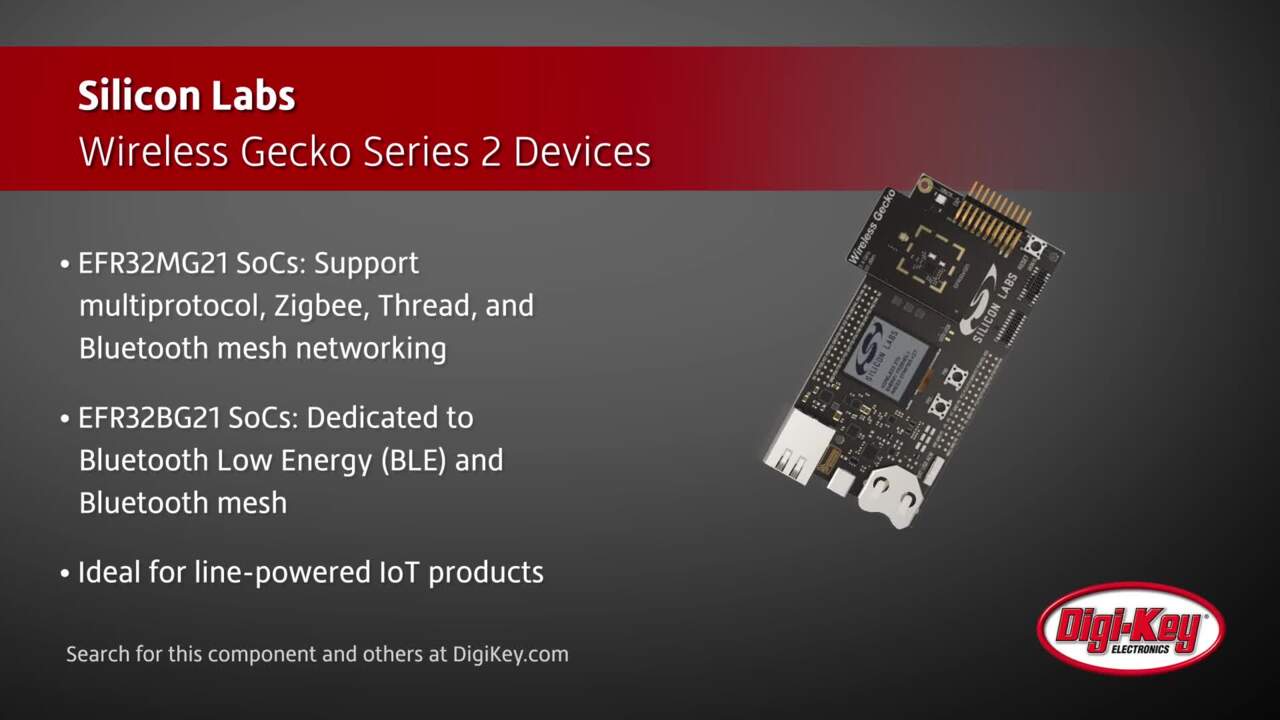
If you’re interested in developing AC-powered Matter devices like gateways, smart lights, and voice assistants, you can use the SLWSTK6006A mesh starter kit with the SLWRB4181C radio board from Silicon Labs to evaluate the EFR32xG21 Wireless Gecko Series 2 system on chip (SoC) devices. An example from the line is the EFR32MG21A010F1024IM32-BR MCU with an 80 megahertz (MHz) Arm Cortex-M33 and a 2.4 gigahertz (GHz) radio (Figure 3). Support software includes design tools, precompiled demos, application notes, and examples. You’ll also have access to advanced tools like network analysis and energy profiling. RF performance includes +20 decibels referenced to one milliwatt (dBm) output power and up to +124.5 dB link budget.
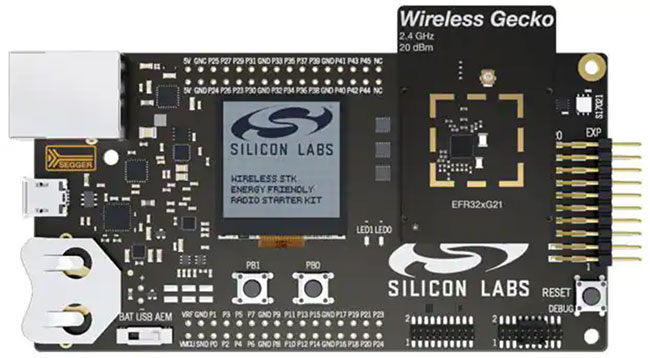 Figure 3: The SLWSTK6006A dev kit supports the development of AC-powered Matter devices. (Image source: Silicon Labs)
Conclusion
Matter is an exciting opportunity for designers of smart home IoT devices. Using it, you can develop interoperable smart home networks that integrate seamlessly, regardless of device manufacturer or wireless interface. Development platforms that support battery and AC-powered Matter designs and provide extensive software and applications support are readily available to help you get started.
Recommended reading
著者について

ジェフ氏は、パワーエレクトロニクス、電子部品、その他の技術トピックについて30年以上にわたり執筆活動を続けています。彼は当初、EETimes誌のシニアエディターとしてパワーエレクトロニクスについて執筆を始めました。その後、パワーエレクトロニクスの設計雑誌であるPowertechniquesを立ち上げ、その後、世界的なパワーエレクトロニクスの研究グループ兼出版社であるDarnell Groupを設立しました。Darnell Groupは、数々の活動のひとつとしてPowerPulse.netを立ち上げましたが、これはパワーエレクトロニクスを専門とするグローバルなエンジニアリングコミュニティで、毎日のニュースを提供しました。また彼は、教育出版社Prentice HallのReston部門から発行されたスイッチモード電源の教科書『Power Supplies』の著者でもあります。
ジェフはまた、後にComputer Products社に買収された高ワット数のスイッチング電源のメーカーであるJeta Power Systems社を共同創設しました。ジェフは発明家でもあり、熱環境発電と光学メタマテリアルの分野で17の米国特許を取得しています。このように彼は、パワーエレクトロニクスの世界的トレンドに関する業界の情報源であり、あちこちで頻繁に講演を行っています。彼は、定量的研究と数学でカリフォルニア大学から修士号を取得しています。

Have questions or comments? Continue the conversation on TechForum, Digi-Key's online community and technical resource.
Visit TechForum関連ブログ

この筆者の他のブログ