






 設定
設定
 迅速な配送
迅速な配送
 送料は無料
送料は無料
 Incoterms
 お支払い方法


 マーケットプレイス製品

Efficient DIY Joule Thief Voltage Booster Guide
2026-02-04 | By Rinme Tom
License: General Public License Breadboards Jumper Wires Circuit Playground
What is a Joule Thief Voltage Booster?
A Joule Thief Circuit is a minimalist boost converter circuit designed to extract and reuse energy from very low-voltage sources — such as almost-dead batteries — by stepping up their voltage to light an LED or power other small loads. This clever circuit achieves voltage boosting through rapid switching and magnetic energy conversion.
Unlike traditional power supplies, the Joule Thief doesn’t require complex controllers: it oscillates automatically using just a few basic components. This simplicity makes it ideal for electronics enthusiasts, students, and makers who want to explore energy harvesting, inductive switching, and efficient circuit design.
Circuit Explanation and Assembly
In the Joule Thief design:
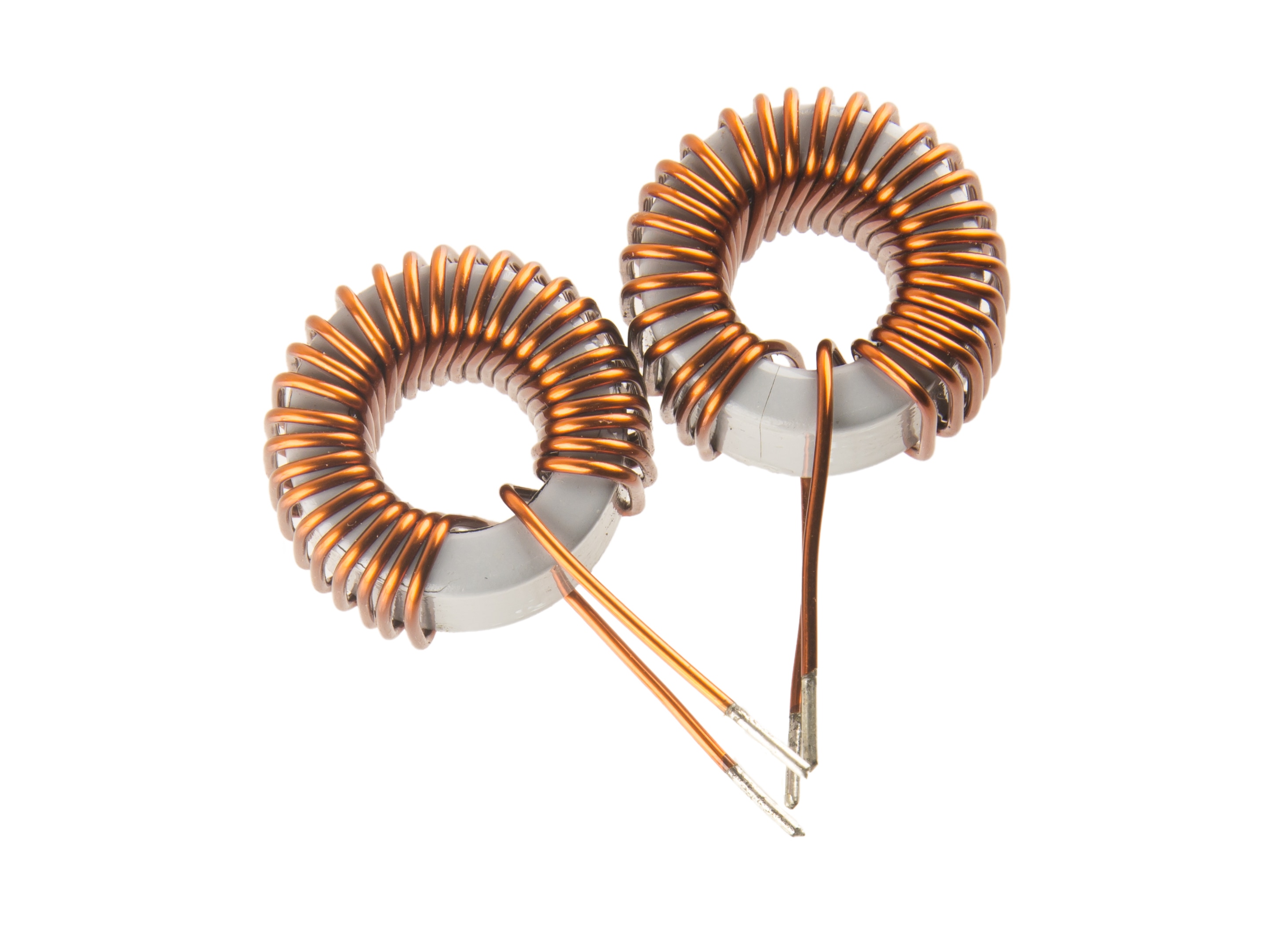
Toroidal Coil Windings — A small ferrite toroid has two separate wire windings: one for the main current and one for feedback.
Transistor Switching — The transistor alternately turns ON and OFF at high speed due to feedback from the coil.
LED Load — High-voltage spikes generated by the circuit illuminate the LED even when the input battery can’t normally power it.
A clear schematic and wiring diagram show how each component connects: the resistor links to the transistor’s base, the coil’s feedback winding drives rapid switching, and the LED connects at the boosted voltage output.
How It Works: The Operating Principle
The Joule Thief operates through five key phases:
Initial Current Flow – When power is applied, a small current flows through the coil’s primary winding and into the transistor, starting the switching process.
Feedback Reinforcement – The magnetic field from the primary winding induces voltage in the secondary winding, driving the transistor further ON.
Core Saturation – The transformer core saturates as the magnetic field reaches its limit, cutting off the induced feedback.
Field Collapse and Voltage Spike – When the transistor switches OFF, the collapsing magnetic field in the coil generates a high-voltage spike — enough to forward-bias and light the LED.
Cycle Repeats – The process restarts thousands of times per second, producing a train of voltage pulses that keep the LED glowing.
This self-oscillating behavior requires no microcontroller or PWM controller — just clever use of magnetic fields and transistor switching.
Why It Matters
A Joule Thief circuit exemplifies key engineering concepts:
Energy Harvesting — It extracts usable power from sources that would otherwise be discarded as “dead.”
Boost Conversion — Demonstrates practical voltage-boosting techniques used in DC-DC converters.
Inductive Switching — Makes hands-on learning about magnetic energy storage and release accessible.
For makers, this easy-to-build circuit becomes a gateway into power electronics and sustainable design.
Practical Tips & Applications
Use a ferrite toroid with tightly coupled windings to maximize efficiency.
Try powering different LEDs or small loads to explore real-world limits.
This circuit works as a teaching tool or as a component of DIY flashlights, sensor power supplies, or emergency lights.
While a Joule Thief doesn’t deliver regulated output or high current, it makes an excellent prototype for learning and experimentation.
Conclusion
The Joule Thief voltage booster is one of electronics’ most rewarding beginner builds. By recycling unused battery energy and transforming it into useful voltage bursts, the circuit illustrates fundamental power electronics principles with hands-on impact. Builders of all skill levels can enjoy exploring its design and practical outcomes.











 日本
日本